Buy foldingbikes.eu ?
We are moving the project
foldingbikes.eu .
Are you interested in purchasing the domain
foldingbikes.eu ?
domain@kv-gmbh.de · 0541-91531010
Buy foldingbikes.eu ?
How are intravenous catheters disinfected?
Intravenous catheters are typically disinfected using alcohol-based solutions such as chlorhexidine or povidone-iodine. Before inserting the catheter, the healthcare provider will clean the insertion site with the disinfectant solution to reduce the risk of infection. It is important to follow proper disinfection protocols to maintain a sterile environment and prevent complications for the patient. **
How are intravenous cannulas disinfected?
Intravenous cannulas are disinfected by first washing hands thoroughly with soap and water. The cannula is then wiped with an alcohol swab to disinfect the external surface. Before insertion, the cannula is flushed with saline to ensure it is clear of any debris or contaminants. Healthcare professionals also follow strict aseptic techniques during the insertion process to prevent infections. **
Similar search terms for Intravenous
Top-Angebote
Products related to Intravenous:
-
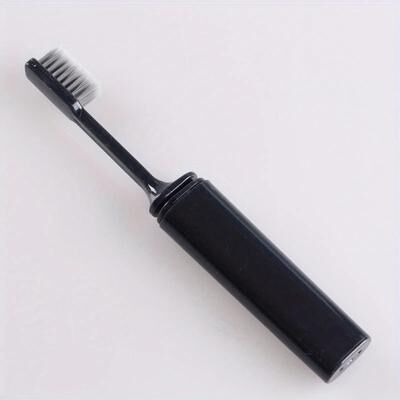
Uplifted Trends Portable Charcoal Folding Toothbrush For Travel Camping & Hiking Compact And Efficient Teethbrush blackFor adventurers and busy travelers, the Portable Charcoal Folding Toothbrushis your perfect companion. Whether you're trekking through the mountains or hopping from one meeting to the next, this toothbrush is designed to offer a quick and easy...29,97 $*Shipping: 0,00 $Secure redirect to the provider
-
Inspire Select Disposable Pet Butterfly IV Infusion Needle Double Wing Veterinary Intravenous Catheter For Pet Medical Care 19g Beige 50 PcsProvide safe and reliable fluid administration with this professionalgrade pet IV infusion needle designed for veterinary use. Featuring a secure doublewing design, this veterinary butterfly needle offers improved handling, stability, and precision...109,96 $*Shipping: 0,00 $Secure redirect to the provider
-
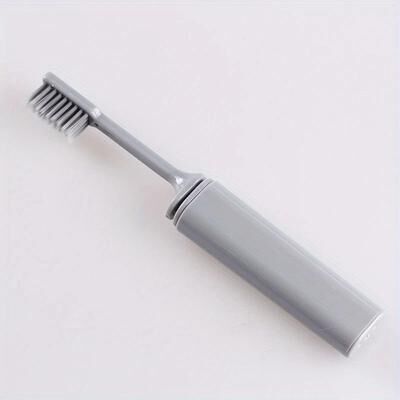
Uplifted Trends Portable Charcoal Folding Toothbrush For Travel Camping & Hiking Compact And Efficient Teethbrush greyFor adventurers and busy travelers, the Portable Charcoal Folding Toothbrushis your perfect companion. Whether you're trekking through the mountains or hopping from one meeting to the next, this toothbrush is designed to offer a quick and easy...29,97 $*Shipping: 0,00 $Secure redirect to the provider
-
Inspire Select Disposable Pet Butterfly IV Infusion Needle Double Wing Veterinary Intravenous Catheter For Pet Medical Care 25g Orange 50 PcsProvide safe and reliable fluid administration with this professionalgrade pet IV infusion needle designed for veterinary use. Featuring a secure doublewing design, this veterinary butterfly needle offers improved handling, stability, and precision...109,96 $*Shipping: 0,00 $Secure redirect to the provider


-
What is affordable, compact, lightweight, and portable for downhill mountain biking?
A good option for downhill mountain biking that is affordable, compact, lightweight, and portable is a folding mountain bike. These bikes are designed to be easily folded and carried, making them convenient for transportation and storage. They are also typically more affordable than traditional mountain bikes and are lightweight, making them easier to handle on downhill trails. Overall, a folding mountain bike is a great choice for those looking for a practical and versatile option for downhill biking. **
-
Can you run an intravenous infusion with tap water?
No, it is not safe to run an intravenous infusion with tap water. Tap water may contain impurities, bacteria, and other contaminants that can be harmful if introduced into the bloodstream. Using tap water for an intravenous infusion can lead to serious infections and other complications. It is important to use sterile, medical-grade fluids for intravenous infusions to ensure the safety and well-being of the patient. **
-
How do I as a school paramedic establish an intravenous access?
As a school paramedic, you can establish intravenous access by first assessing the patient's condition and determining the need for IV therapy. Once the need is identified, gather the necessary equipment such as IV catheters, IV tubing, and a sterile dressing. Choose an appropriate site for the IV access, typically the forearm or hand, and clean the area with an antiseptic solution. Use a tourniquet to engorge the veins and carefully insert the IV catheter into the vein at a 15-30 degree angle. Once the catheter is in place, secure it with a dressing and begin administering the necessary fluids or medications. Always monitor the IV site for any signs of complications and ensure the patient is comfortable throughout the process. **
-
Is it bad to have a bump after an intravenous injection?
It is not uncommon to have a bump or swelling at the injection site after receiving an intravenous injection. This can happen due to the needle piercing the skin and causing some trauma to the surrounding tissue. In most cases, the bump is temporary and will go away on its own. However, if the bump is painful, red, or continues to grow in size, it is important to seek medical attention as it could be a sign of infection or another complication. **

Can a paramedic insert intravenous access, and if so, which ones?
Yes, paramedics are trained to insert intravenous (IV) access. They are typically trained to insert peripheral IV lines, which are inserted into a vein in the arms, hands, or legs. In some cases, paramedics may also be trained to insert central venous catheters, which are inserted into larger veins in the neck, chest, or groin for more advanced access. The specific training and scope of practice for paramedics may vary by region and level of certification. **
How can emergency medications be administered as a bolus through a peripheral intravenous cannula?
Emergency medications can be administered as a bolus through a peripheral intravenous cannula by flushing the cannula with a small amount of normal saline before and after administering the medication to ensure proper delivery. The medication should be administered slowly to prevent complications such as phlebitis or infiltration. It is important to monitor the patient closely for any signs of adverse reactions during and after administration of the medication. Additionally, healthcare providers should follow institutional protocols and guidelines for administering emergency medications through a peripheral intravenous cannula. **
Top-Angebote
Products related to Intravenous:
-
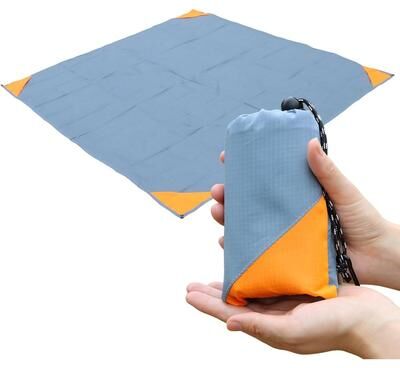
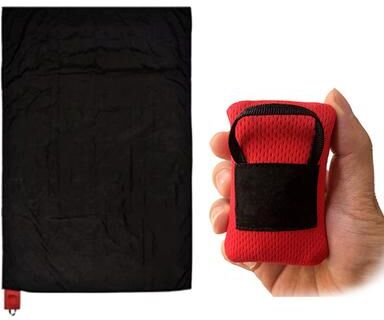
Cozy Casa Charm Lightweight Portable Picnic Blanket Foldable & Compact Water Resistant Washable Quick Dry Beach Mat For Outdoor Lightweight Portable Picnic Blanket Foldable & Compact Water Resistant Washable Quick Dry Beach Mat For OutdoorSoft yet durable, the portable picnic blanket is perfect for spontaneous outdoor adventures. Lightweight and foldable, its designed for families, couples, and solo explorers who value comfort and convenience. Its waterresistant surface keeps you...44,97 $*Shipping: 0,00 $Secure redirect to the provider
-
ModernMart Compact Waterproof Pocket Picnic Blanket Lightweight Foldable Outdoor Mat Compact Waterproof Pocket Picnic Blanket Lightweight Foldable Outdoor MatEnjoy the freedom to relax anywhere with this ultraconvenient pocket picnic blanket designed for life on the go. Compact enough to fit in your pocket yet spacious when unfolded, this compact picnic mat is perfect for outdoor lovers who value...31,97 $*Shipping: 0,00 $Secure redirect to the provider
-
Uplifted Trends Portable Charcoal Folding Toothbrush For Travel Camping & Hiking Compact And Efficient Teethbrush blackFor adventurers and busy travelers, the Portable Charcoal Folding Toothbrushis your perfect companion. Whether you're trekking through the mountains or hopping from one meeting to the next, this toothbrush is designed to offer a quick and easy...29,97 $*Shipping: 0,00 $Secure redirect to the provider
-
Inspire Select Disposable Pet Butterfly IV Infusion Needle Double Wing Veterinary Intravenous Catheter For Pet Medical Care 19g Beige 50 PcsProvide safe and reliable fluid administration with this professionalgrade pet IV infusion needle designed for veterinary use. Featuring a secure doublewing design, this veterinary butterfly needle offers improved handling, stability, and precision...109,96 $*Shipping: 0,00 $Secure redirect to the provider
-
How are intravenous catheters disinfected?
Intravenous catheters are typically disinfected using alcohol-based solutions such as chlorhexidine or povidone-iodine. Before inserting the catheter, the healthcare provider will clean the insertion site with the disinfectant solution to reduce the risk of infection. It is important to follow proper disinfection protocols to maintain a sterile environment and prevent complications for the patient. **
-
How are intravenous cannulas disinfected?
Intravenous cannulas are disinfected by first washing hands thoroughly with soap and water. The cannula is then wiped with an alcohol swab to disinfect the external surface. Before insertion, the cannula is flushed with saline to ensure it is clear of any debris or contaminants. Healthcare professionals also follow strict aseptic techniques during the insertion process to prevent infections. **
-
What is affordable, compact, lightweight, and portable for downhill mountain biking?
A good option for downhill mountain biking that is affordable, compact, lightweight, and portable is a folding mountain bike. These bikes are designed to be easily folded and carried, making them convenient for transportation and storage. They are also typically more affordable than traditional mountain bikes and are lightweight, making them easier to handle on downhill trails. Overall, a folding mountain bike is a great choice for those looking for a practical and versatile option for downhill biking. **
-
Can you run an intravenous infusion with tap water?
No, it is not safe to run an intravenous infusion with tap water. Tap water may contain impurities, bacteria, and other contaminants that can be harmful if introduced into the bloodstream. Using tap water for an intravenous infusion can lead to serious infections and other complications. It is important to use sterile, medical-grade fluids for intravenous infusions to ensure the safety and well-being of the patient. **
Similar search terms for Intravenous
-
Uplifted Trends Portable Charcoal Folding Toothbrush For Travel Camping & Hiking Compact And Efficient Teethbrush greyFor adventurers and busy travelers, the Portable Charcoal Folding Toothbrushis your perfect companion. Whether you're trekking through the mountains or hopping from one meeting to the next, this toothbrush is designed to offer a quick and easy...29,97 $*Shipping: 0,00 $Secure redirect to the provider
-
Inspire Select Disposable Pet Butterfly IV Infusion Needle Double Wing Veterinary Intravenous Catheter For Pet Medical Care 25g Orange 50 PcsProvide safe and reliable fluid administration with this professionalgrade pet IV infusion needle designed for veterinary use. Featuring a secure doublewing design, this veterinary butterfly needle offers improved handling, stability, and precision...109,96 $*Shipping: 0,00 $Secure redirect to the provider
-
Inspire Select Disposable Pet Butterfly IV Infusion Needle Double Wing Veterinary Intravenous Catheter For Pet Medical Care 21g Green 50 PcsProvide safe and reliable fluid administration with this professionalgrade pet IV infusion needle designed for veterinary use. Featuring a secure doublewing design, this veterinary butterfly needle offers improved handling, stability, and precision...109,96 $*Shipping: 0,00 $Secure redirect to the provider
-
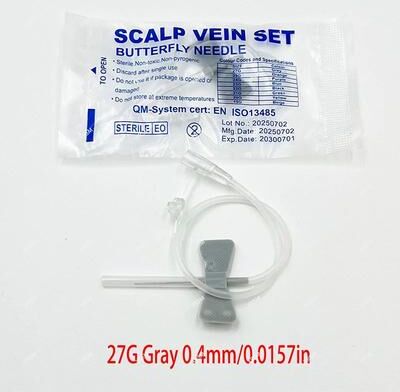
Inspire Select Disposable Pet Butterfly IV Infusion Needle Double Wing Veterinary Intravenous Catheter For Pet Medical Care 27g Gray 50 PcsProvide safe and reliable fluid administration with this professionalgrade pet IV infusion needle designed for veterinary use. Featuring a secure doublewing design, this veterinary butterfly needle offers improved handling, stability, and precision...109,96 $*Shipping: 0,00 $Secure redirect to the provider
-
How do I as a school paramedic establish an intravenous access?
As a school paramedic, you can establish intravenous access by first assessing the patient's condition and determining the need for IV therapy. Once the need is identified, gather the necessary equipment such as IV catheters, IV tubing, and a sterile dressing. Choose an appropriate site for the IV access, typically the forearm or hand, and clean the area with an antiseptic solution. Use a tourniquet to engorge the veins and carefully insert the IV catheter into the vein at a 15-30 degree angle. Once the catheter is in place, secure it with a dressing and begin administering the necessary fluids or medications. Always monitor the IV site for any signs of complications and ensure the patient is comfortable throughout the process. **
-
Is it bad to have a bump after an intravenous injection?
It is not uncommon to have a bump or swelling at the injection site after receiving an intravenous injection. This can happen due to the needle piercing the skin and causing some trauma to the surrounding tissue. In most cases, the bump is temporary and will go away on its own. However, if the bump is painful, red, or continues to grow in size, it is important to seek medical attention as it could be a sign of infection or another complication. **
-
Can a paramedic insert intravenous access, and if so, which ones?
Yes, paramedics are trained to insert intravenous (IV) access. They are typically trained to insert peripheral IV lines, which are inserted into a vein in the arms, hands, or legs. In some cases, paramedics may also be trained to insert central venous catheters, which are inserted into larger veins in the neck, chest, or groin for more advanced access. The specific training and scope of practice for paramedics may vary by region and level of certification. **
-
How can emergency medications be administered as a bolus through a peripheral intravenous cannula?
Emergency medications can be administered as a bolus through a peripheral intravenous cannula by flushing the cannula with a small amount of normal saline before and after administering the medication to ensure proper delivery. The medication should be administered slowly to prevent complications such as phlebitis or infiltration. It is important to monitor the patient closely for any signs of adverse reactions during and after administration of the medication. Additionally, healthcare providers should follow institutional protocols and guidelines for administering emergency medications through a peripheral intravenous cannula. **
* All prices are inclusive of VAT and, if applicable, plus shipping costs. The offer information is based on the details provided by the respective shop and is updated through automated processes. Real-time updates do not occur, so deviations can occur in individual cases. ** Note: Parts of this content were created by AI.